
3D Impact Landing Page
A 3D model stops the scroll. A clear page turns interest into an enquiry. A premium landing page for restaurants, cafes, hotels, venues, events, and product brands.
Short answer
A 3D Impact Landing Page pairs 3D created with Loistopixel with a focused website built to turn interest into enquiries. I also work on the 3D; we agree on each person's role for the project.
What you get
- one 3D hero or impact section showing the space, product, or mood
- a clear offer, trust path, and enquiry action
- SEO and GEO basics: metadata, headings, FAQ, and schema-friendly content
- mobile optimization, a lightweight fallback, and measurable CTA clicks
How it works
- 01We clarify the buying situation: what needs to be shown, who it is for, and which enquiry action matters.
- 02If the source material needs a technical base, AutoCAD 2D or Revit 2D/3D modelling is scoped and estimated separately before visual production.
- 03We develop the 3D concept and assets with Loistopixel; my modelling and animation work and the partner's part are agreed for each project.
- 04I build the landing page, copy structure, CTA path, metadata/schema foundation, and mobile version.
- 05We publish the page, check performance, and review CTA clicks.
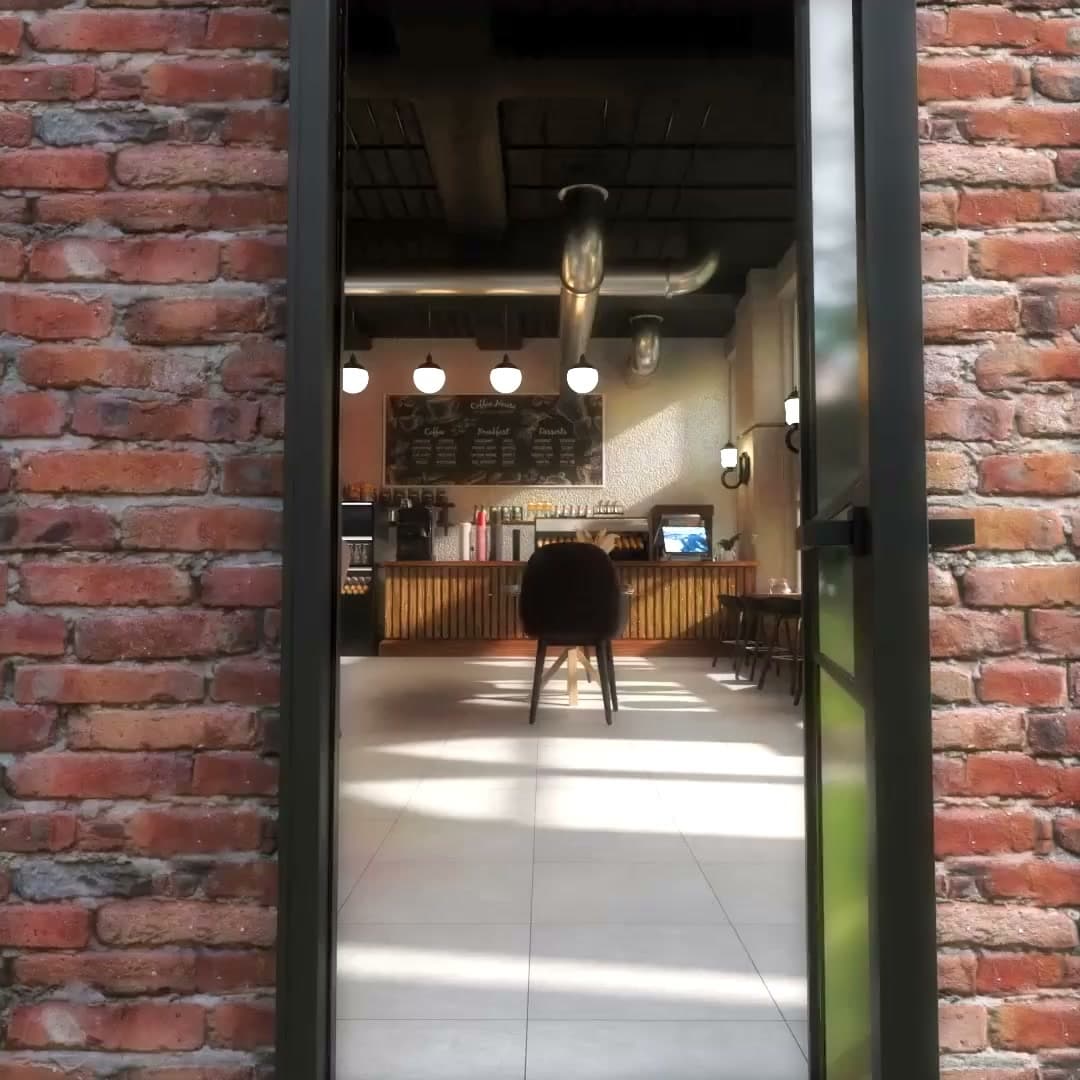
3D cafe render · Loistopixel
3D concept render
Show the space before the buyer has to imagine it.
One strong render can communicate atmosphere, materials, and intended use at a glance. The landing page turns that attention into a clear offer and enquiry path.
Ask about a 3D Impact pageWhat does the 3D Impact package include?
This is not a full brand overhaul or a 3D game. We build one strong digital showcase that communicates something a generic stock image cannot.
The EUR 2,900 + VAT level brings one lightweight, web-optimized 3D model, a focused WebGL motion sequence, a landing page, CTA path, mobile fallback, and launch.
The EUR 4,900 + VAT level covers either the modeling of one clearly scoped product, space, or other subject, or a more polished scroll-driven 3D animation. It also includes the landing page, CTA path, SEO/GEO foundation, tracking, launch, and two review rounds.
- lightweight WebGL page at EUR 2,900 + VAT with one optimized model and focused motion
- one 3D subject or a polished scroll animation at EUR 4,900 + VAT
- configurators, property choices, and multiple states from EUR 6,000 + VAT
- separately scoped AutoCAD 2D or Revit 2D/3D groundwork when needed
- 3D work with Loistopixel; I also model and animate, and build the web experience
Who is this for?
The best fit is a visual business: a restaurant, cafe, hotel, event venue, design product, or premium service where the buyer wants to feel the atmosphere before making contact.
If the decision is shaped by space, detail, or product presence, 3D can make the page memorable. If the buyer only needs a price and phone number, a lighter website is usually the better fit.
A concept render makes the offer visible
The restaurant concept render communicates atmosphere, materials, and intended use at a glance. The page around it explains the offer while keeping booking or WhatsApp contact obvious.
The lightest version can use one optimized 3D model with focused WebGL or Three.js motion. A lightweight mobile fallback is used when needed so the first impression never gets in the way of an enquiry.
Frequently asked questions
How much does a 3D Impact landing page cost?
A lightweight WebGL page is EUR 2,900 + VAT when it is scoped to one optimized model and one motion sequence. One custom 3D subject or a polished scroll animation is EUR 4,900 + VAT. Configurators, property choices, and multiple states start at EUR 6,000 + VAT, with the final price based on scope.
How long does it take?
A light pilot can be ready in around 2-3 weeks. A typical build takes 3-5 weeks because the 3D concept, page structure, and mobile testing need to work together.
Will 3D slow the page down on mobile?
It should not. The lightweight WebGL build is scoped to one optimized model and controlled motion, with a lighter fallback on mobile when needed.
Do I need a finished 3D model?
Not necessarily. PDF drawings, CAD files, measurements, or other design material are enough for an initial review. If the technical base needs to be created or corrected, AutoCAD 2D and Revit 2D/3D work is scoped and priced separately before visual 3D production.
What do you need before starting?
We need the basic offer, the main CTA, any brand materials, and a clear idea of what the 3D should show: a space, product, environment, or mood.